
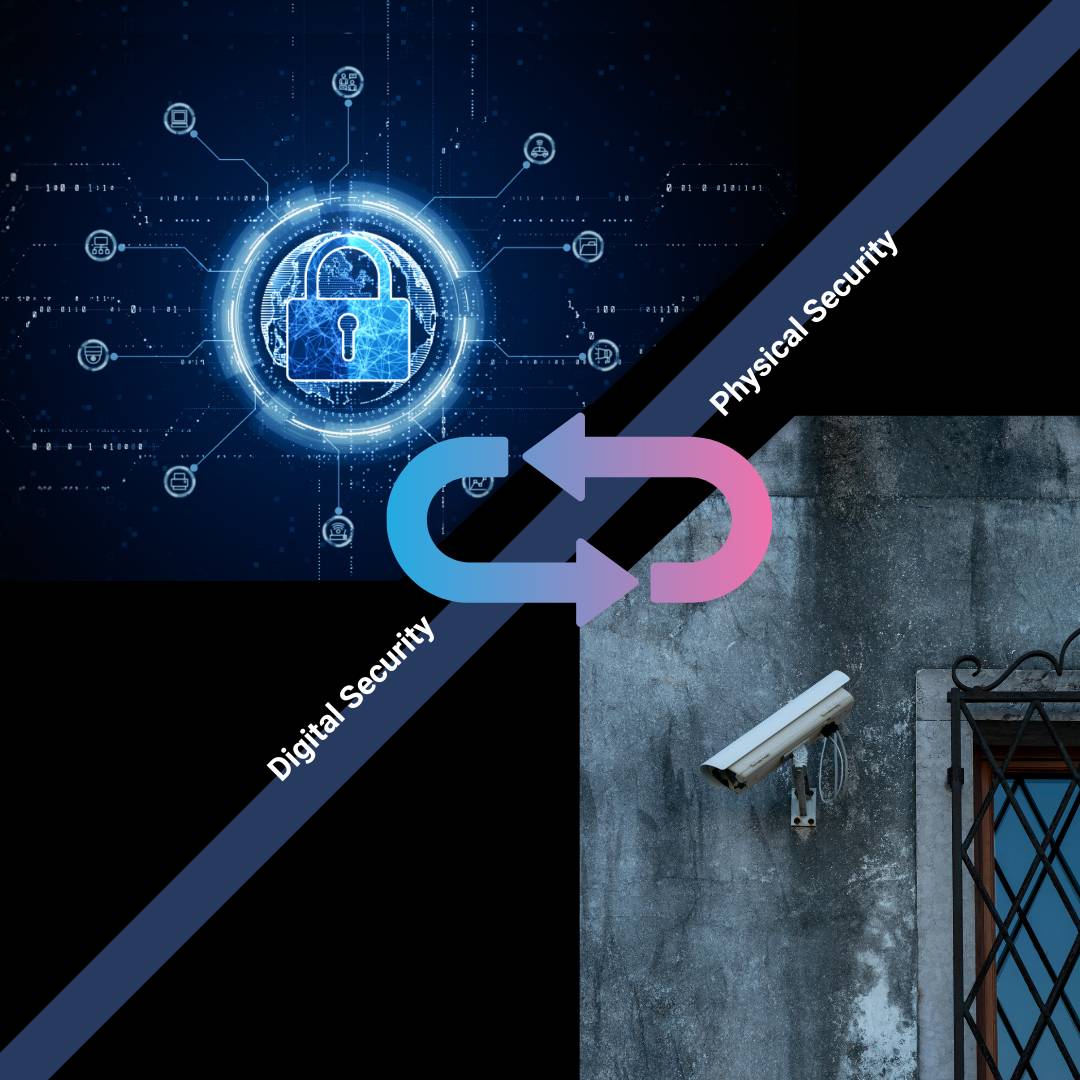
Security incidents rarely stay contained within a single system.
What begins as a digital alert can quickly create physical risk. A seemingly minor physical security issue can expose sensitive data. Yet many organizations still treat cyber and physical security as separate functions managed by different teams, tools, and processes.
In reality, modern security failures cascade. When systems aren’t aligned, small gaps grow quickly, and response efforts lose momentum when clarity is needed most.
The False Divide Between Digital and Physical Security
Historically, organizations built physical and digital security independently:
- Physical security focused on buildings, access points, and people
- Digital security focused on networks, data, and systems
That separation no longer reflects how organizations operate.
Today’s workplaces are interconnected environments where access badges link to system permissions, cameras integrate with analytics platforms, and employee behavior spans both physical and digital spaces.
When these systems aren’t designed (or managed) together, blind spots emerge.
How Digital Incidents Create Physical Risk
Digital incidents often have immediate real-world implications, including:
- Compromised credentials granting unauthorized facility access
- Disabled security systems caused by ransomware or system outages
- Altered access controls that go unnoticed during a cyber event
- Delayed physical response due to incomplete situational awareness
In these moments, physical teams may be operating without full context, while digital teams may underestimate the real-world impact of system disruptions.
When Physical Events Become Digital Incidents
The reverse is just as common.
Physical incidents frequently generate digital risk, such as:
- Lost or stolen access badges exposing systems
- Unauthorized facility access leading to data exposure
- Improperly secured spaces housing sensitive equipment
- Insider behavior that crosses physical and digital boundaries
Without coordination, organizations may respond to only half the problem, leaving vulnerabilities unresolved.
Why Siloed Responses Fail Under Pressure
During incidents, time pressure exposes weaknesses in structure.
Common challenges include:
- Separate reporting lines for physical and digital teams
- Inconsistent communication during incidents
- Delayed escalation because no one owns the full picture
- Confusion about who has decision-making authority
When response efforts aren’t unified, organizations lose precious time and risk compounding the original issue.
What Integrated Security Response Looks Like
Organizations that manage incidents effectively share a common approach: integration before urgency.
Key elements include:
- Shared incident response protocols across teams
- Unified access and monitoring reviews
- Cross-functional communication during incidents
- Leadership alignment on escalation thresholds
- Clear documentation across physical and digital events
Integration doesn’t require new tools, it requires intentional coordination.
Leadership’s Role in Bridging the Gap
Ultimately, integration is a leadership responsibility.
Executives don’t need to manage systems, but they do need to ensure:
- Teams understand how incidents intersect
- Response plans account for cascading impact
- Security strategy reflects how the organization actually operates
When leaders treat security as a unified function rather than separate disciplines, response becomes calmer, faster, and more effective.
From Planning to Performance
Many organizations begin the year focused on strategy, planning, and layered security frameworks. The real test comes when those layers are put to work under pressure. Incidents reveal whether systems are merely installed or truly integrated.
Organizations that succeed don’t eliminate incidents entirely. They reduce confusion, protect people, preserve operations, and respond with confidence when challenges arise.
Building a Security System That Works Together
If your organization hasn’t evaluated how physical and digital security systems intersect — during calm moments and high-pressure situations — now is the time.
Security failures rarely stay in one lane. Integrated planning makes the difference. 360 Security Services helps organizations align physical security, cybersecurity, and investigative response into a cohesive, leadership-ready system designed to perform when it matters most.
When security systems operate in silos, incidents escalate. If your organization hasn’t evaluated how physical and digital security work together under pressure, we can help. Let’s talk.