
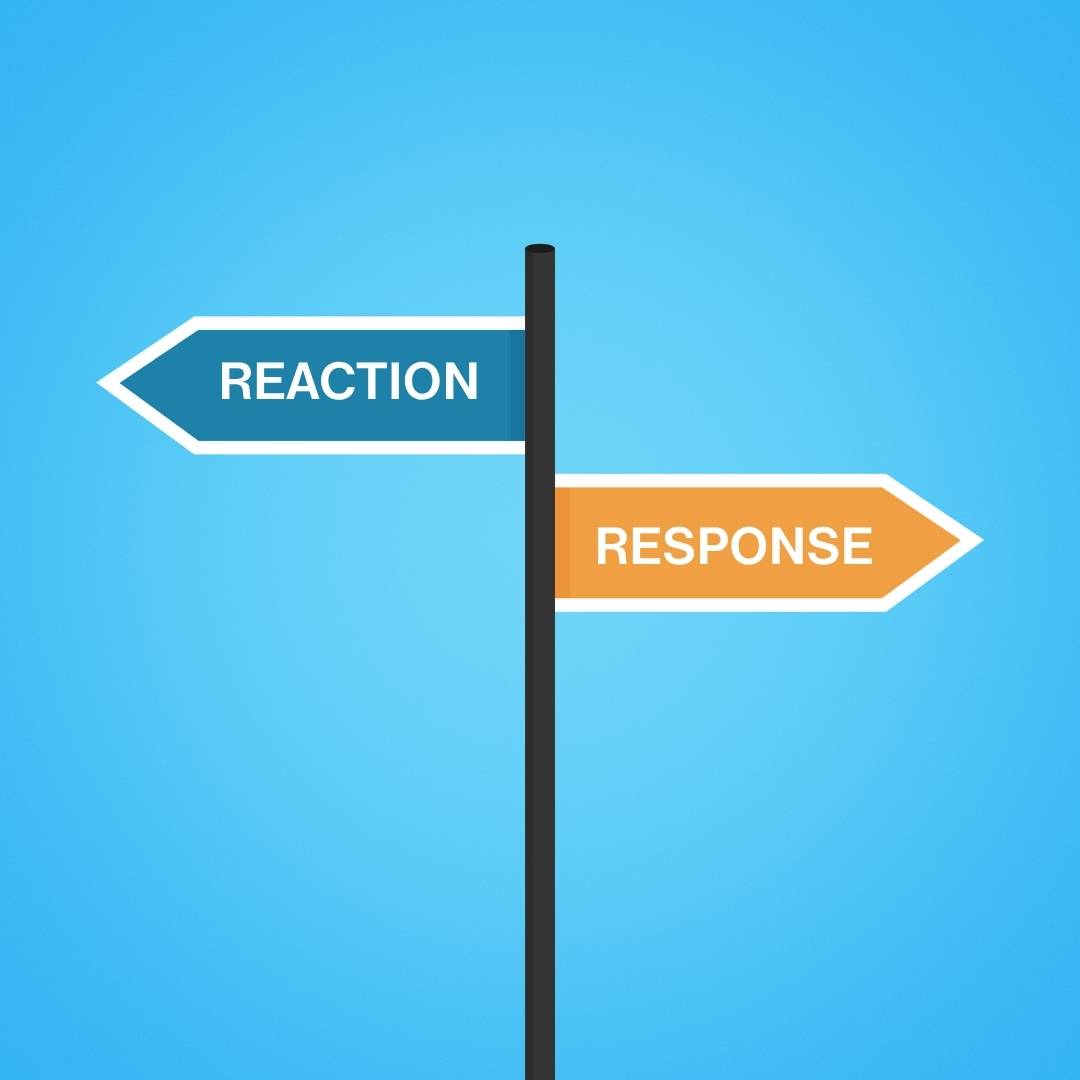
When an incident occurs, the pressure to act is immediate. Questions start flying. Information arrives from multiple directions. Stakeholders want answers. Employees look to leadership for guidance. In those moments, organizations often find themselves at a crossroads. Will they react? Or will they respond?
At first glance, the difference may seem insignificant. After all, both involve taking action. But in reality, the distinction can determine whether an incident is effectively managed or unintentionally made worse.
High-performing organizations understand that resilience isn’t about moving the fastest. It’s about moving with purpose.
Reacting Is Driven by Emotion
A reaction is often immediate, emotional, and driven by urgency. When uncertainty is high, people naturally want to do something. The desire to solve the problem quickly can lead to rushed decisions, incomplete communication, and actions taken without a full understanding of the situation.
Reactions often sound like:
- “We need to fix this right now.”
- “Someone needs to be held accountable.”
- “Let’s send an update before we know all the details.”
- “Just do something.”
While the intent may be good, reacting often creates new challenges alongside the original problem.
Responding Is Driven by Process
A response is deliberate. It doesn’t mean moving slowly. It means taking the time to assess the situation, involve the right people, and follow established procedures before acting.
Responding often sounds like:
- “What do we know right now?”
- “Who needs to be involved?”
- “What immediate risks need to be addressed?”
- “What does our process call for?”
Organizations that respond effectively aren’t avoiding action. They’re ensuring that actions are aligned with facts, objectives, and established protocols.
The difference is structure.
Panic Often Creates Secondary Problems
One of the greatest risks during an incident isn’t always the incident itself. It’s the mistakes made in response to it. A rushed communication may contain inaccurate information. A leader may make decisions without involving key stakeholders. Teams may duplicate efforts because responsibilities aren’t clearly defined. Critical information may be overlooked because everyone is focused on immediate action. These secondary problems often create additional operational, legal, reputational, or safety concerns.
In many cases, the damage caused by a poorly managed response can exceed the impact of the original event. This is why maintaining composure under pressure is so important. Panic narrows focus. Process creates clarity.
Established Processes Reduce Uncertainty
When uncertainty increases, people naturally look for direction. Organizations that have already established response plans, escalation procedures, communication protocols, and decision-making frameworks are better equipped to navigate difficult situations.
Instead of debating who should be involved or what should happen next, teams can focus on managing the issue at hand.
Established processes help organizations:
- Respond consistently
- Communicate clearly
- Escalate concerns appropriately
- Document decisions
- Reduce confusion during stressful situations
Preparation doesn’t eliminate uncertainty. It simply prevents uncertainty from becoming chaos.
Strong Decision-Making Happens Before Pressure Arrives
Many leaders believe crisis decision-making begins when an incident occurs. In reality, it begins long before. Organizations build decision-making capability through:
- Training and exercises
- Clearly defined roles and responsibilities
- Communication planning
- Threat assessment processes
- Incident response frameworks
The more these systems are practiced and understood, the less likely leaders are to rely solely on instinct when pressure mounts. Good decisions during a crisis are often the result of good preparation before the crisis.
The Goal Isn’t Perfection
No organization handles every incident perfectly. Information changes. Circumstances evolve. New challenges emerge. The goal isn’t perfection. The goal is to create an environment where people can make informed decisions, communicate effectively, and take purposeful action under pressure. That’s the difference between reacting and responding. One is driven by emotion. The other is guided by preparation. And when uncertainty strikes, that difference matters.
Is Your Organization Prepared to Respond, Not React?
Organizations that respond effectively have one thing in common: they can quickly gather information, assess risk, and make informed decisions. Through services like CHIRP-360 and our broader risk management and preparedness solutions, 360 Security Services helps organizations build the systems needed to respond with confidence instead of reacting out of urgency.
If you’re ready to strengthen your organization’s resilience before the next incident occurs, let’s talk.