
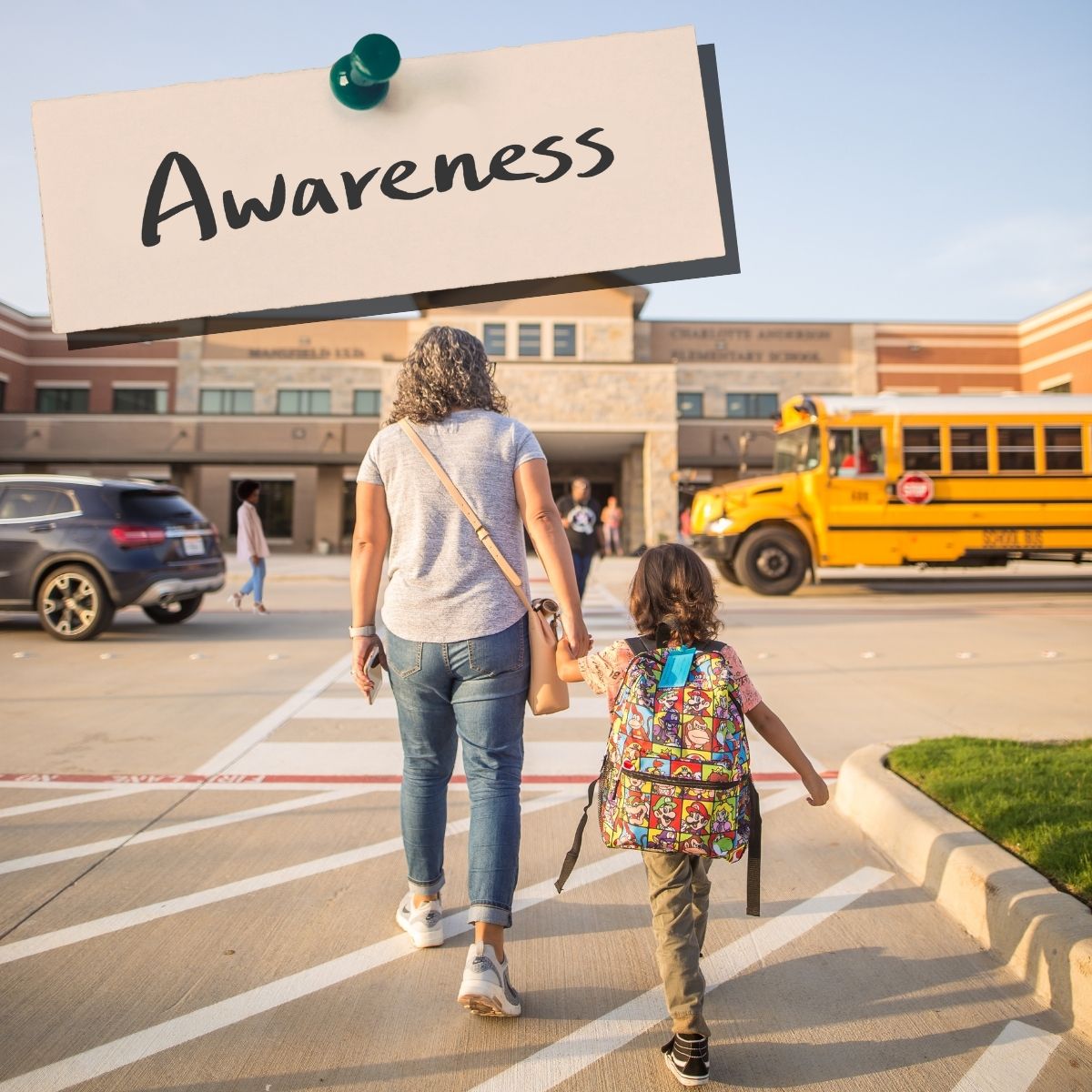
The backpacks are packed. Class schedules are set. Teachers have welcomed students back, and another school year is underway. As students, parents, teachers, staff, and administrators settle into their routines, safety is understandably top of mind. But school safety isn’t only about locked doors, visitor check-ins, cameras, or what happens inside the building. It’s about awareness of the entire environment.
What’s happening inside the school? Outside of it? Online? Is someone’s behavior changing? Has something unusual been noticed around the property? Does everyone know how to report a concern? And if an emergency happens, do people know what they’re supposed to do? No single security measure can address every possible situation. Safer schools depend on layers of security, clear processes, communication, and people who understand the role they play every day.
Pay Attention to Your Surroundings
Situational awareness doesn’t mean constantly looking for danger. It simply means paying attention to what’s happening around you. For school staff, that may mean noticing an unfamiliar person or vehicle near school property, a door that is normally secured but isn’t, unusual activity during arrival or dismissal, or something that simply seems out of place.
Parents can practice the same awareness during drop-off, pickup, sporting events, performances, and other school activities. And students can be encouraged to notice their surroundings without making them feel responsible for keeping their school safe. The goal isn’t to determine whether something is dangerous yourself. It’s to recognize when something may deserve additional attention and know who to tell.
Look Beyond the Building
Security procedures at entrances are important, but a school’s security environment doesn’t begin and end at the front door. Parking lots, playgrounds, athletic fields, sidewalks, neighboring properties, gathering spaces, and outdoor events are all part of the larger environment schools should consider when thinking about safety.
The same is true for spaces used by students that may not function exactly like the traditional school building, including churches, auditoriums, athletic facilities, and other shared spaces. Schools should consider how people use these areas throughout the day, what vulnerabilities may exist, how an emergency in or around those spaces would be communicated, and how students and staff would respond. Security planning should reflect how a campus actually operates, not simply what happens inside its primary building.
Pay Attention to Changes in Behavior
Awareness also extends beyond the physical environment. Sometimes a concern begins with a change in behavior. An escalating conflict. A concerning comment. A fixation that seems to be intensifying. A social media post. A student who suddenly withdraws. Or several seemingly small observations that may take on greater significance when considered together.
One person may notice something in the classroom. Someone else may see something online. A parent may hear something at home. No single person needs to determine what those observations mean. That’s why having a structured process for reporting and evaluating concerns is so important.
When information can be brought together and assessed by the appropriate people, schools are better positioned to understand the bigger picture and determine whether action is needed.
Know How to Report Something That Concerns You
If you saw or heard something that worried you today, would you know where to report it? Would your child? Schools should make reporting options clear and accessible to students, parents, teachers, and staff. People should understand what types of concerns can be reported, how to submit information, and what happens after they do.
Parents can help by reinforcing a simple message at home: if something makes you worried about yourself or someone else, tell a trusted adult. Teachers and staff should understand where concerns should be directed and what information is helpful to provide. Administrators should regularly evaluate whether their reporting process is working as intended. Having a way to report something is only the beginning. Schools also need a process for receiving, evaluating, documenting, and responding to that information.
Don’t Assume Someone Else Already Said Something
It’s easy to notice something and assume someone else must already know. Maybe another teacher heard the comment. Maybe another parent saw the post. Maybe a student already told someone. Maybe administration is already handling it. But assumptions can create gaps. If something genuinely concerns you, use the school’s established reporting process.
You don’t need to investigate it yourself. You don’t need to decide whether someone poses a threat. And you shouldn’t put yourself in an unsafe situation to gather more information. Get the information to the appropriate people and allow the school’s established process to take it from there.
Know What to Do When Something Happens
Awareness is important, but so is preparation. Parents should know where official emergency communication will come from and understand the school’s procedures for situations such as lockdowns, evacuations, severe weather, reunification, or an emergency occurring near the school.
Teachers and staff should understand their responsibilities and participate in training and exercises so they aren’t encountering procedures for the first time during an actual emergency. Administrators should look beyond whether an emergency plan simply exists. Does it account for the different spaces students use throughout the day? What happens during arrival and dismissal? During an athletic event? On the playground? In an auditorium or other gathering space? What happens if the threat is outside rather than inside? How will information be communicated quickly? Plans should reflect the different ways an emergency could unfold.
Think About What You’re Sharing Online
Everyday awareness also applies online. First-day photos, classroom pictures, sporting events, schedules, and school activities are a normal part of back-to-school season. Before posting, take a quick look at what else might be visible. A photo can unintentionally reveal a school name, classroom number, student ID, daily routine, bus stop, pickup location, schedule, or other information you didn’t intend to make public.
Teachers and staff should be mindful as well. Photos taken in classrooms and workspaces can capture computer screens, badges, schedules, student information, access points, or other details in the background. You don’t have to stop sharing. Just take a second look before you do.
School Safety Is Bigger Than Any One Security Measure
There is no single camera, locked door, reporting system, policy, or training program that can prevent every possible incident. That’s why school safety requires layers. Physical security matters. Behavioral threat assessment matters. Emergency planning matters. Cybersecurity matters. Communication matters. Reporting matters. And everyday awareness matters.
None of that means parents, teachers, staff, or students should spend their days expecting something bad to happen. It means understanding your environment, following established procedures, knowing what deserves attention, and knowing what to do when something doesn’t seem right. Because school safety isn’t something that begins when an emergency happens.
It’s built every day, long before one does.
At 360 Security Services, we work with schools and districts to look at safety from every angle, including physical security, vulnerability assessments, emergency preparedness, and behavioral threat assessment and management. CHIRP-360 provides schools with a structured process for receiving, evaluating, managing, and following up on reported concerns so important information can be assessed and acted upon appropriately. Is your school looking at safety from every angle? Let’s talk.