
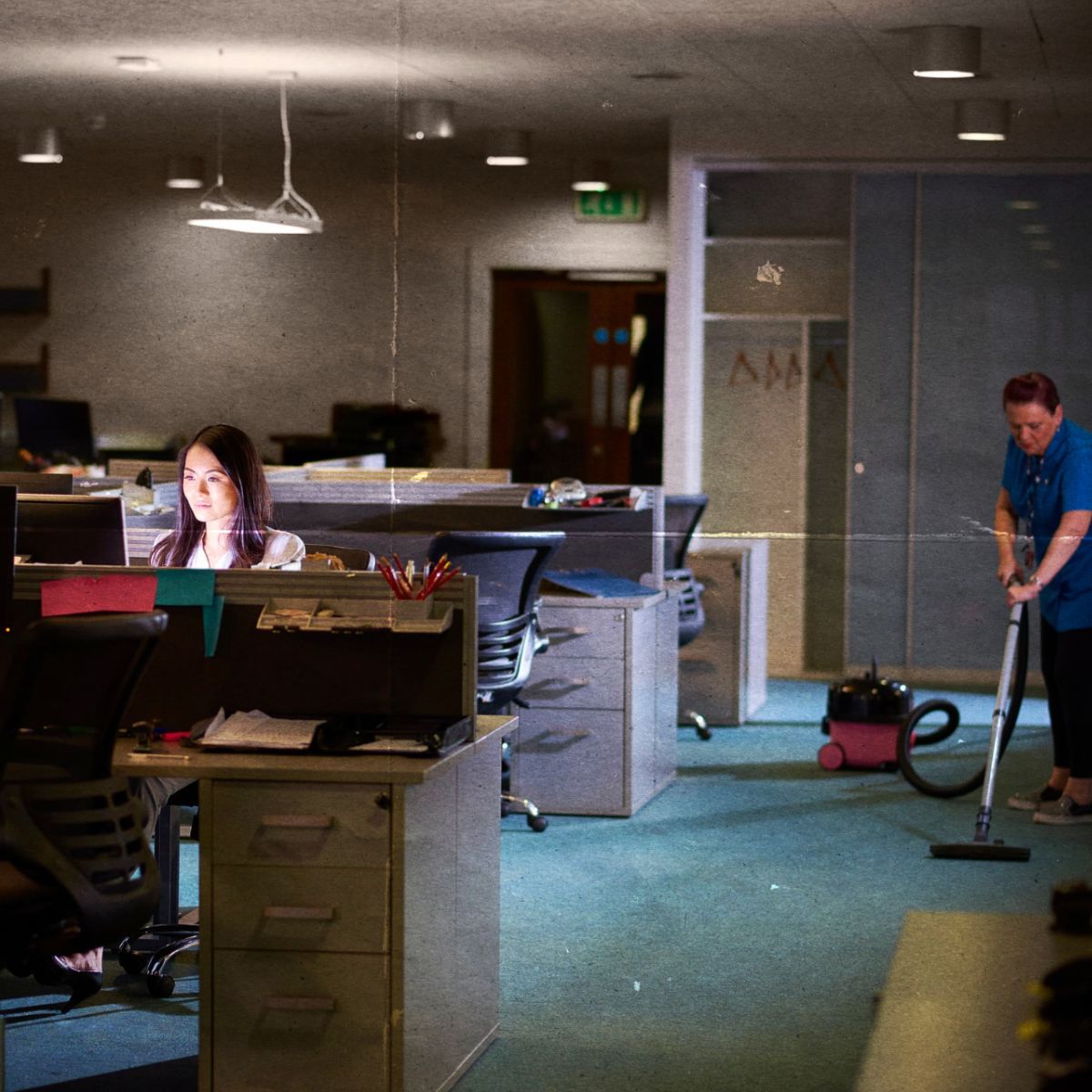
Most organizations have procedures for controlling who enters their buildings during normal business hours. Employees use badges or access codes, visitors check in, and deliveries follow established processes. But what happens when the building is operating outside its normal routine?
An employee comes in over the weekend to finish a project, a cleaning crew arrives after the office closes, a contractor needs access to complete maintenance, or a vendor makes an unexpected delivery. These situations aren’t unusual. In fact, they’re part of everyday operations for many commercial properties and businesses. The challenge is ensuring that security procedures remain effective when the people, schedules, and circumstances change.
Access Control Is More Than a Locked Door
Electronic access systems, surveillance cameras, and secured entrances all play an important role in protecting a facility, but technology alone doesn’t determine whether access is being managed effectively.
Employees may retain access to areas they no longer need, contractor credentials can remain active long after a project is completed, and familiar vendors may be allowed into restricted areas without proper verification. Individually, these situations may seem minor. Together, they can create gaps in an organization’s physical security.
Effective access control requires more than deciding who can enter a building. It also means understanding:
- Which areas individuals are authorized to access
- When that access is necessary
- Who is responsible for approving and reviewing permissions
- How temporary access is granted and revoked
- Whether procedures are consistently followed outside normal business hours
These considerations become especially important when staffing levels change or fewer people are available to provide oversight.
When Normal Routines Change, So Does Risk
The holiday season often introduces changes to business operations. Employees take time off, buildings may operate on reduced schedules, and outside vendors may be brought in for maintenance or other projects. These changes don’t automatically make a property unsafe, but they can expose weaknesses in existing procedures.
Consider a commercial office building where several tenants are closed for the holidays. Cleaning and maintenance crews continue working, deliveries still arrive, and some employees come and go outside their usual schedules. Who is responsible for verifying that individuals entering the property are authorized? Are temporary access permissions being monitored? Does the security team know which businesses are operating and which areas should remain closed?
Without clear procedures, access decisions may depend on assumptions rather than established authorization. The same concerns apply to multifamily properties, where maintenance personnel, delivery services, contractors, residents, and guests may all require different levels of access. Security procedures need to account for how a property actually operates, not just how it operates during a typical workday.
The Risk of Familiarity
One of the more overlooked challenges in physical security is the tendency to become comfortable with familiar people and routines. Contractors who have worked at a property for several months may no longer be asked to verify their authorization. Regular delivery drivers might be allowed beyond designated delivery areas, while employees may hold secured doors open for familiar faces without confirming whether those individuals are authorized to enter. These actions are often well-intentioned. However, familiarity should not replace verification.
Consistent procedures help protect both the organization and the individuals who work in or visit the property. The goal isn’t to make every interaction difficult. It’s to ensure that access decisions are based on appropriate authorization rather than convenience or assumptions.
Five Questions Worth Asking About After-Hours Access
Organizations don’t necessarily need more security technology to improve access management. In many cases, the first step is evaluating how existing systems and procedures are being used.
- Who currently has access to the building outside normal business hours?
Review employee, contractor, vendor, and temporary credentials. Access permissions should reflect current responsibilities and operational needs.
2. Are access privileges limited to the areas and times they’re actually needed?
Not everyone who needs to enter a building requires unrestricted access. Time-based permissions and area-specific access can help reduce unnecessary exposure.
3. How are unexpected visitors or access requests handled?
Employees and security personnel should understand how to verify authorization, especially when a request falls outside established schedules or procedures.
4. Who monitors access when normal staffing levels are reduced?
Clearly defined responsibilities help ensure that unusual activity, access issues, or security concerns are recognized and addressed.
5. When was the last time access procedures were reviewed?
Changes in staffing, tenants, vendors, and building operations can make previously appropriate permissions outdated. Regular reviews help identify gaps before they become problems.
Physical Security Depends on Consistency
A building can have sophisticated access control technology and still experience security gaps when procedures aren’t consistently followed. Effective physical security requires coordination between property management, employees, security personnel, vendors, and organizational leadership. It also requires recognizing that security needs evolve as operations change.
At 360 Security Services, we approach physical security as part of an organization’s broader risk management strategy. Understanding how people move through a facility, where access vulnerabilities exist, and how procedures function in real-world situations can help organizations make more informed decisions about protecting their people and property.
Your building may be secure during normal business hours. But are you confident those same protections remain effective after everyone else has gone home? Let’s talk.